
When to Schedule Asphalt Paving in Saskatchewan
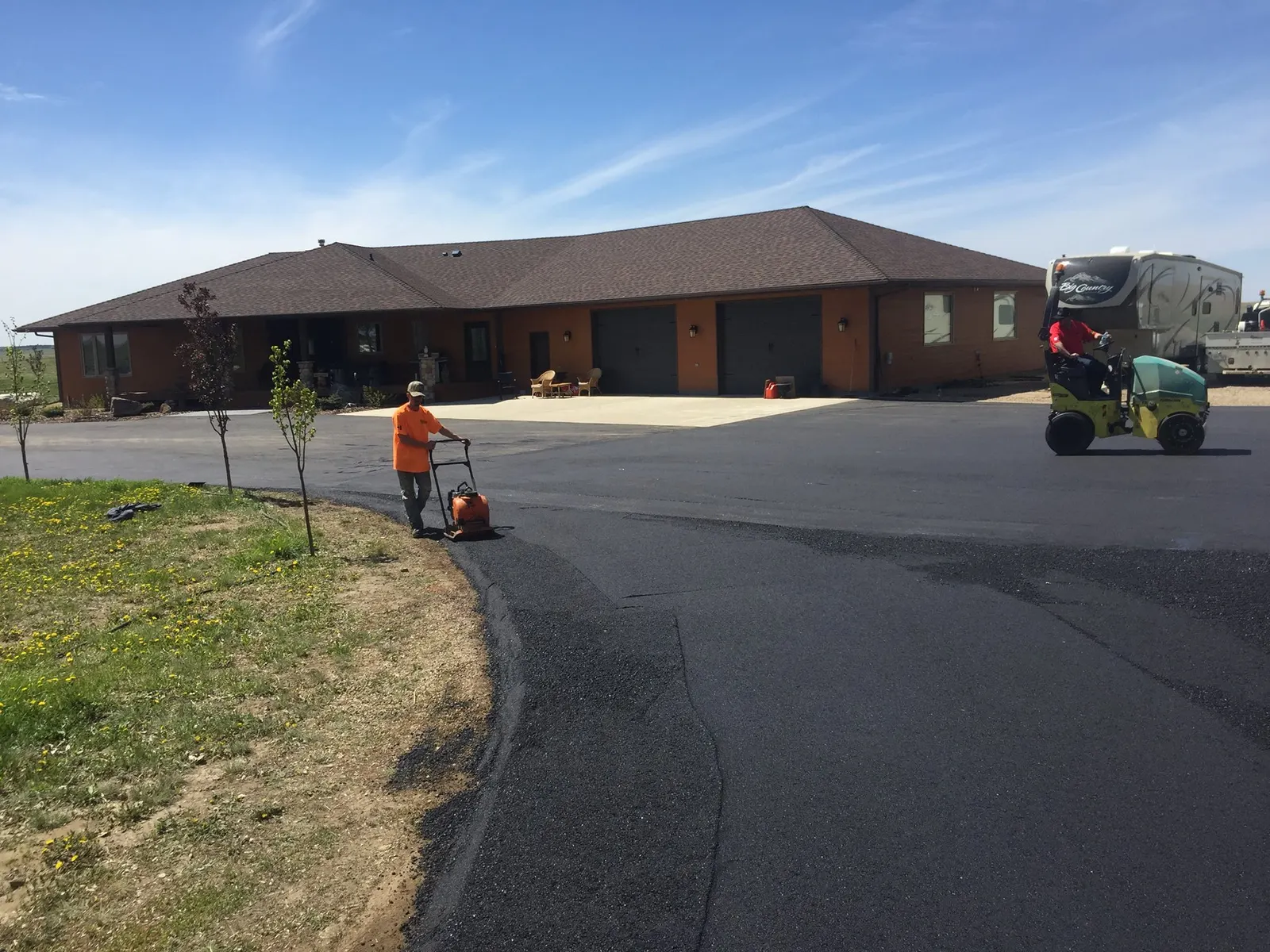
Schedule asphalt paving in Saskatchewan as early as your site allows, and well before October and November weather starts moving dates around. There is no fixed cutoff we can promise, because the work depends on the actual conditions on the day: air and ground temperature, moisture, and whether the base is ready. If you own property in Moose Jaw, Regina, Weyburn or anywhere in southern Saskatchewan, start the conversation early so the scope is settled before the window narrows.
Start planning before the paving window narrows
Early planning gives you time to walk the site with a crew, agree on the scope and sort out access. Once crews fill their calendars and the weather turns, there is much less room to adjust. A booking made well ahead may give you more flexibility to wait for suitable conditions.
Different jobs need different planning. A driveway paving project usually involves one household, one entrance and a short period where the family cannot park on the surface. A parking lot paving project often involves customers, staff, deliveries and sometimes tenants, so it may need to be done in phases or at set times of day.
| Factor | Driveway | Parking lot |
|---|---|---|
| Who needs access | Household vehicles | Customers, staff, deliveries |
| Typical scheduling concern | Where to park while the surface sets | Phasing sections so the business can keep operating |
| Site prep to confirm | Existing surface, edges, drainage toward the street | Existing surface, drainage, line layout, curbs |
| Who to coordinate with | Neighbours sharing a lane or approach | Property manager, tenants, snow contractor |
What makes a paving day workable
Asphalt is a hot mix of aggregate and binder (the asphalt cement that glues the stone together). It has to be placed and compacted before it cools too far, which is why weather matters so much. A good paving day is a combination of several things lining up.
The surface and base are ready
The base is the compacted layer of gravel under the asphalt, and it carries the load. If it is soft, wet, frozen or poorly shaped, new asphalt on top may have a shorter service life even in good weather. Any needed repairs, grading or removal of old material should be done and checked before the mix arrives.
Temperature, moisture and mix suit the work
Most crews want air and base temperatures comfortably above freezing, and the mix itself affects how much margin you have. Standing water, a damp base or rain in the forecast can all push a job to another day. Cool, windy conditions pull heat out of the mat faster, which leaves less time to compact it properly.
Access is planned
Ask how vehicles will be kept off the surface while it is being placed and compacted, and for how long afterward. Many crews suggest waiting a day or two before driving on fresh asphalt, though the right wait depends on the mix and the weather. Knowing this in advance can help you plan for access restrictions and reduce surprises on the day.
Plan around Saskatchewan weather
Saskatchewan winters bring snow and freeze-thaw cycles, where water gets into small openings, freezes, expands and then thaws again. Pavement that goes into winter well compacted and properly drained is better placed to handle that cycle than pavement laid in marginal conditions. That is one reason timing can matter here.
October and November weather across the southern part of the province can change quickly. A stretch of mild, dry days can be followed by a cold snap, early snow or a wet week. Because of that, the date for your job depends on what the site is doing at the time, not on the calendar alone. Property owners in Moose Jaw, Regina and Weyburn should treat any fall date as a target that may need to shift.
If your lot or drive has poor drainage, holds meltwater in spring or sits in shade where frost lingers, tell the crew. Those are conditions a site visit can pick up, and they influence both the prep work and how much weather margin you want. A crew can assess the site and may recommend moving the schedule or holding the work until conditions improve.
Prepare the details for a schedule discussion
A short list of information makes the first conversation much more useful. Have these ready before you call:
- The area to be paved, roughly how large it is, and what it is now (gravel, old asphalt, concrete, bare ground).
- The current condition: cracks, potholes, settled spots, pooling water or crumbling edges.
- How the area is used, including vehicle types and weights, such as delivery trucks or heavy equipment.
- Access limits and any times when vehicles must be able to use the site.
- Your preferred work window, and how flexible it is if the weather does not cooperate.
Then ask what site preparation is needed and who is responsible for it. Clarifying that early may help reduce delays on the day. If you are weighing a full paving job against repairs, ask about that too, since the answer may affect how much lead time you need.
We offer free estimates, so you can ask about site assessment and scheduling before you commit. The offer on our site is a Free Quote, and you can ask about scheduling when requesting it.
Common questions
How late in fall can asphalt be paved in Saskatchewan?
There is no single date that applies to every site. It comes down to temperatures, moisture and base condition on the day, so a crew has to judge each job as the weather develops.
When should I schedule driveway paving before winter?
Contact a paving company well before October so the scope and site prep are settled. That may leave more room to wait for a workable day instead of rushing into poor conditions.
What weather conditions are needed for asphalt paving?
Crews generally want a dry, firm base and air temperatures comfortably above freezing, with no rain in the forecast. Wind and shade can cool the mix faster, so they count too.
Areas we serve
Our services
Have a question about your project? Call (306) 668-8186